

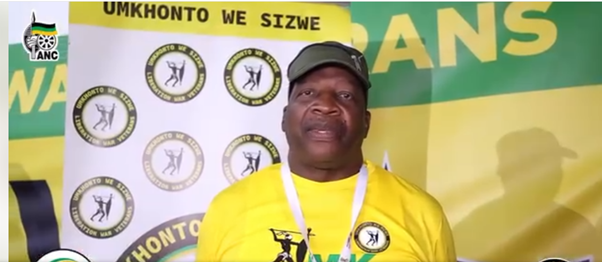
DAN HATTO – CHAIRPERSON
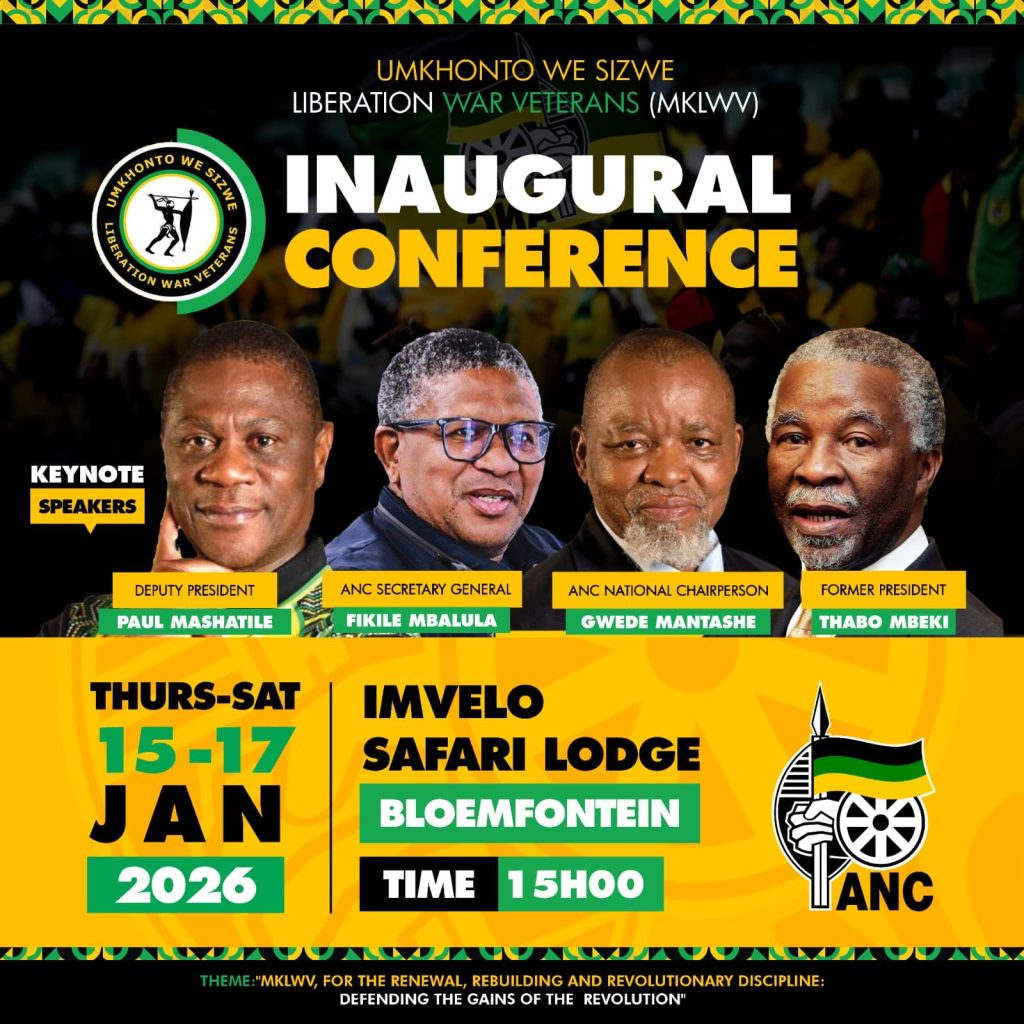
15-17 January 2026 | Imvelo Safari Lodge, Mangaung, Bloemfontein, Free State
We, the more than 373 duly accredited delegates drawn from all provincial and regional, structures of Umkhonto we Sizwe Liberation War Veterans (MKLWV), convened in Mangaung for the Inaugural and Historic Elective National Conference of MKLWV.
Our Conference was also graced by the presence of representatives from sister parties:
- FRELIMO of Mozambique
- Chama Chama Pinduzi of Tanzania (CCM);
- ANC National Office Bearers – Deputy President Mashatile who opened the Conference,
- Secretary General Fikile Mbalula
- National Chairperson Gwede Mantashe,
- President Thabo Mbeki
- NEC members, the ANC Veterans, Women’s and Youth League, and COSATU, SACP and SANCO

XOLANI DOM – DEPUTY CHAIRPERSON
The Conference was convened under the theme “MKLWV for Renewal, Rebuilding and Revolutionary Discipline: Defending the Gains of the Revolution.”
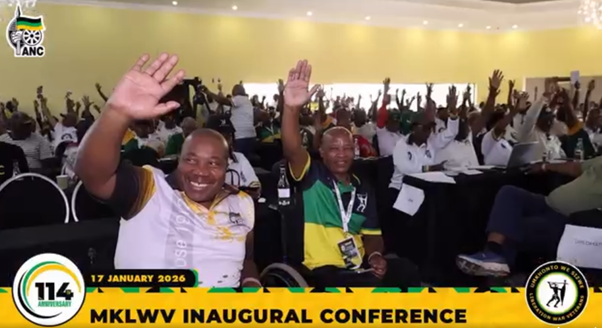
CONFERENCE DELEGATES NOMINATING PREFERRED CANDIDATES
This Conference marks a defining moment in the organisational consolidation, political clarity and generational continuity of MK Liberation War Veterans as a disciplined and principled formation of the liberation movement.
PREAMBLE
There is only one Umkhonto we Sizwe.
Umkhonto we Sizwe was constituted by historic necessity, authorised by the African National Congress, and formed as the People’s Army, the nucleus of the People’s Revolutionary War, and a pillar of the National Democratic Revolution.
We, the delegates of the National Conference of the MKLWV declare that MKLWV is the custodian of the heritage, legacy, discipline, and continuity of Umkhonto we Sizwe. This custodianship derives from history, oath, and service.
From the Sabotage Campaign led by the Founding High Command, anchored by the Luthuli Detachment, and followed by the June 16, Moncada, Isandlwana, Madinoga, Young Lions, Barney Molokoane detachments, and all organs of the people’s war – the SDUs and Internal combatants, we acknowledge those who entered the People’s Army in service of liberation.
The Conference reaffirmed that Umkhonto we Sizwe was the nucleus of the people’s war, forged when all peaceful avenues of struggle had been violently closed by the apartheid regime.
The people’s war took shape and drew strength through:
- Community-based self-defense units and underground networks;
- The organised working class led by COSATU;
- Student, youth, women’s and civic organisations;
- Progressive religious and cultural formations;
- Mass democratic structures rooted in townships, villages and workplaces.
It was through this disciplined and collective struggle that thousands of politically conscious comrades—workers, students, peasants, women and intellectuals—swelled the ranks of Umkhonto we Sizwe, guided not by impulse but by revolutionary discipline, clarity of purpose and willingness to sacrifice.
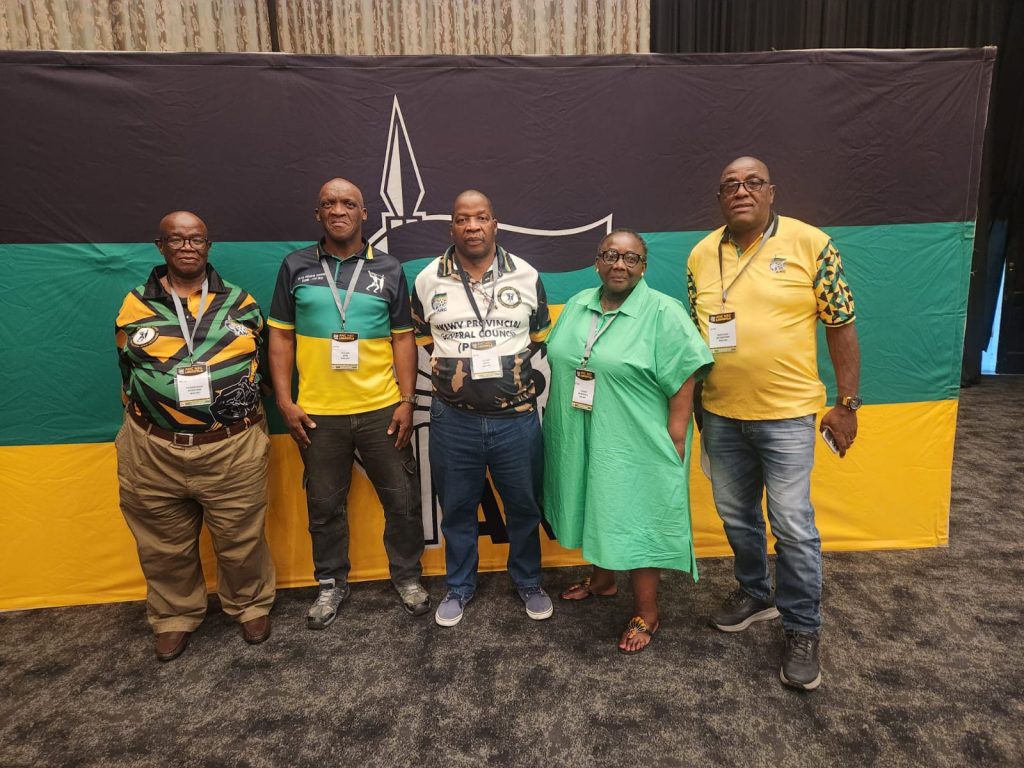
SOME MEMBERS OF THE EXECUTIVE @ THE ANC LEKGOTLA
Bound by the MK Oath, we proceed.
ON THE NATIONAL DEMOCRATIC REVOLUTION
We reaffirm that a revolution without a revolutionary theory fails. We locate the present period as a phase of consolidation and reconstruction of the National Democratic Revolution, conducted under constitutional democracy, as we celebrate 30 years of the Constitution in 2026.
The tasks of this phase are to ensure that:
- The gains of our liberation are defended and not reversed.
- Democratic institutions are strengthened, not hollowed-out;
- Revolutionary discipline, unity and ethical leadership are restored;
- The sacrifices of fallen comrades are honoured through principled conduct and service to the people.
Renewal is continuous and programmatic.
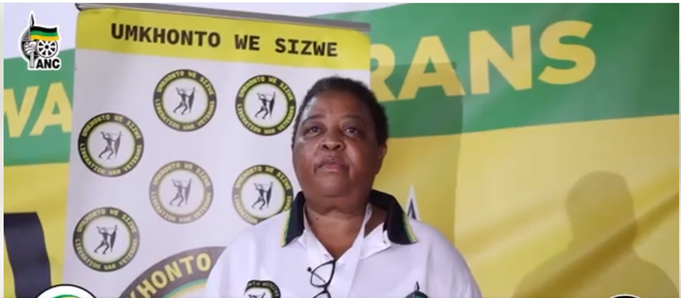
TOSCA TYIBILIKA – REPRESENTING MZANA
NATURE OF THE CRISIS
The crisis confronting the Movement is structural and political-economic. It arises from the contradiction between political liberation and economic continuity, democratic authority and weakened organisation, and revolutionary history and post-liberation practice.
The crisis is also social. The conditions experienced by Liberation War Veterans reflect a failure of implementation within the National Democratic Revolution.
Structural crises require structural responses.
SAFETY AND STABILITY, COUNTER REVOLUTION AND CORRUPTION
The importance of building safer communities, through collaboration between law enforcement and communities, using technology, strengthened training, visibility and capacity of the police and address the root causes of crime.
Conference commits to continue the fight corruption including stronger oversight and mutual accountability, ethical leadership and building capacity of anti-corruption institutions. The approach should be Prevention, Deterrence and Education.
Conference recognised that Counter-revolution advances through organisational decay, distortion of history, capture of internal processes, poor discipline and erosion of accountability.
The Conference further noted that the democratic state and the ANC-led government continue to face systematic and coordinated efforts to undermine, destabilise and delegitimise democratic authority.
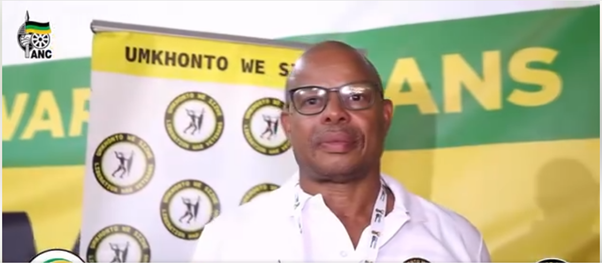
MANDILAKHE DILIMA – DEPUTY SECRETARY GENERAL
4.ON OUR CONSTITUTIONAL DEMOCRACY
Constitutional democracy is an outcome of the National Democratic Revolution and the terrain within which political struggle is conducted.
The defence of the Constitution, the rule of law, and democratic accountability forms part of revolutionary defence. National security exists to protect democratic gains.
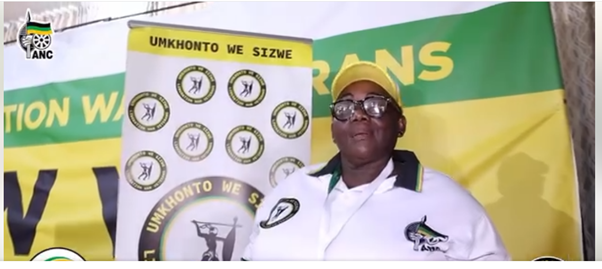
THANDI MASHOALA – TREASURER GENERAL
In 2026, we celebrate thirty years since the adoption of the Constitution, and we must continue to conscientize society about our struggle, ideas and values, which gave rise to the Constitution.
We also note the importance of the National Dialogue, to involve the population in defending, consolidating and advancing our democracy and the march towards a better life for all.
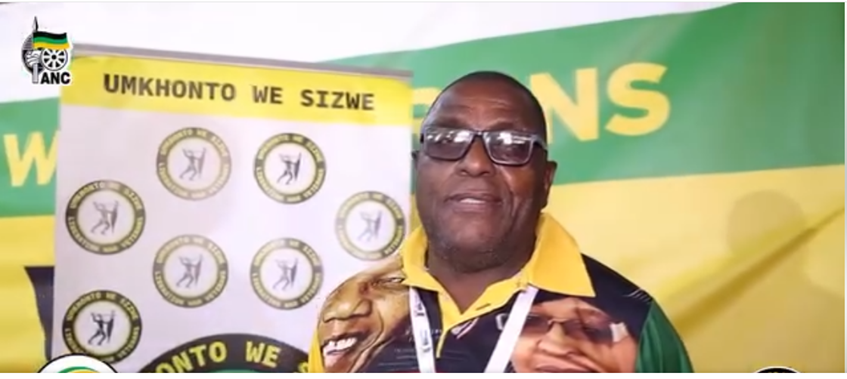
MNCEDISI MTHETHWA – SECRETARY GENERAL
5. AFRICAN RENAISSANCE AND INTERNATIONALISM
MKWLV locates its work within the African Renaissance, understood as continental reconstruction, sovereignty, and cooperation.
The Conference reaffirms international solidarity and rejects the distortion of liberation history.
It also acknowledged a perilous and dangerous global situation. Our national sovereignty is under threat, as well as global peace, multilateralism, solidarity and the right of self- determination. This requires maximum unity on the domestic front to grow our country, as well as relentless pursuit of the African agenda, and international solidarity.
6. MKLWV AS ORGANISATION AND COMMUNITY
MK Liberation War Veterans constitutes an organisation and a community.
The mandate of MKLWV is to:
- preserve the record of the armed struggle.
- uphold discipline and ethical conduct.
- implement political programmes.
- secure the conditions of Liberation War Veterans and their families.
Therefore, recognise and will advocate for a National Heroes Day, a branch in Department of Military Veterans on Military Veterans Legacy; strengthened links with the Bureau of Heraldry; and other actions to promote and educate society about the history and contributions of Umkhonto we Sizwe.
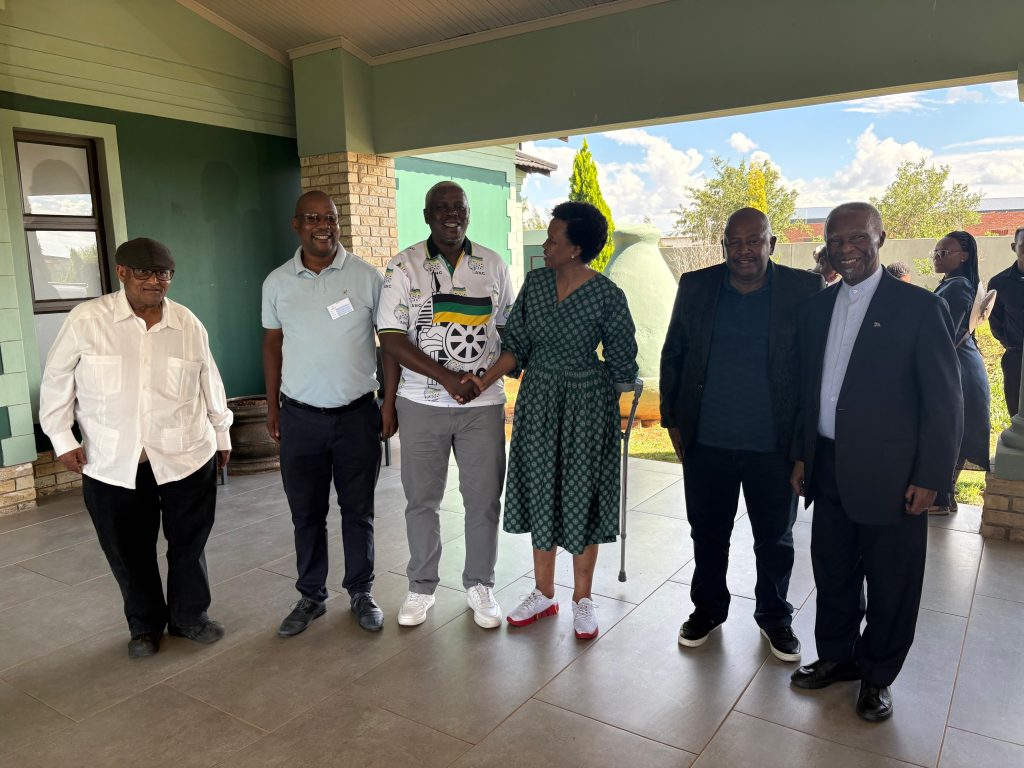
PRESIDENT MBEKI ARRIVING AT THE MKLWV CONFERENCE
7. VETERAN’s WELLBEING, LIVELIHOOD AND WELFARE
The wellbeing of Liberation War Veterans forms part of the obligations of the National Democratic Revolution. Veteran welfare concerns housing, healthcare, pensions, income security, and access to public services.
Conference reaffirmed that economic participation and inclusion are key to redress, through such measures as skills development, inclusion of military veterans in set-asides, access to land and productive assets, as well as access to finance .
8. ANC RENEWAL
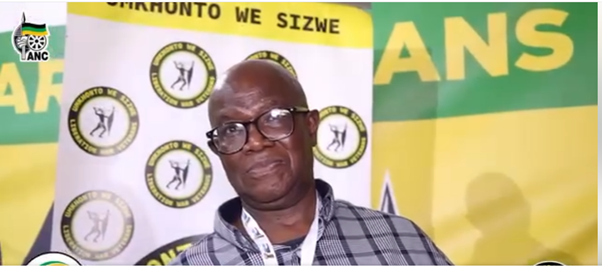
THAMI NTENTENI – NATIONAL COMMISSAR
The liberation movement faces an existential crisis, with both internal and external dimensions.
This requires urgent action, including reforms of internal electoral practices that enable factional capture and weaken organisational coherence. We must raise the bar for leadership across our movement.
Renewal also requires reform of internal systems, ethical eligibility, cadre development and accountability.
Unity without accountability undermines democratic practice. Discipline without oversight undermines legitimacy. Discipline must be institutional, ethical, and enforceable.
9. IMPLEMENTATION
This Declaration mandates implementation through resolutions, programmes, and periodic review.
CONCLUSION
There is only one Umkhonto we Sizwe.
MKWLV is the custodian of its legacy.
Revolutionary theory guides political practice.
Human dignity anchors renewal.
Guided by the traditions of Oliver Reginald Tambo and his call for Unity in Action, this Conference commits to implementation, reporting, and review.
Amandla! The Struggle Continues!
Discover more from Radio Freedom
Subscribe to get the latest posts sent to your email.